
When Should Children First See a Dentist?
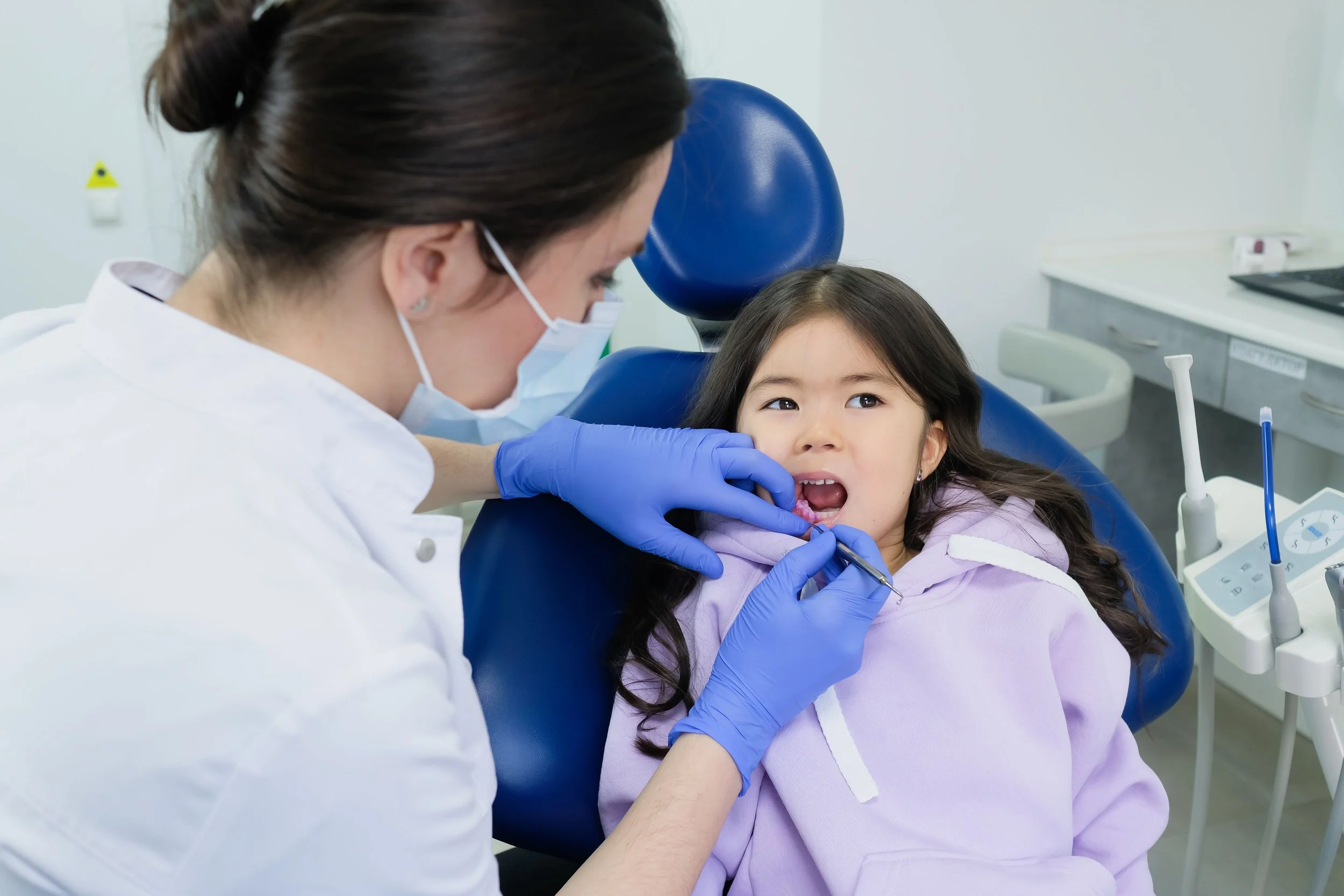
Many parents wonder when their child should have their first dental appointment. Should you wait until they have several teeth? Until they can sit comfortably in the dental chair? Or until there is a problem?
The answer is earlier than many parents expect. The American Dental Association (ADA) and American Academy of Pediatric Dentistry (AAPD) recommend that children have their first dental visit when their first tooth appears, and no later than their first birthday.
Why Visit the Dentist So Early?
Baby teeth typically begin to appear around six months of age, and they can develop cavities from the moment they erupt. Early dental visits are therefore primarily about prevention rather than treatment.
During an infant’s first appointment, the dentist can examine the teeth and gums, evaluate how the mouth is developing, and look for early signs of tooth decay or other problems. Just as importantly, the visit gives parents an opportunity to discuss brushing, fluoride, diet, bottles and sippy cups, teething, thumb sucking, and other habits that can affect a child’s oral health.
The AAPD recommends establishing what it calls a “dental home” by 12 months of age so that preventive care and dental guidance can begin early and continue as the child grows.
What Happens at a Child’s First Dental Visit?
A first dental appointment is generally simple and comfortable. Depending on the child’s age and level of cooperation, the dentist will examine the mouth, gums, teeth, bite, and developing oral structures.
Parents may also receive guidance on:
Brushing their child’s teeth correctly
Using an appropriate amount of fluoride toothpaste
Foods and drinks that increase the risk of cavities
Bottle and sippy-cup habits
Teething and oral development
Thumb or pacifier habits
What to do in case of a dental injury
For children younger than three, the ADA recommends brushing twice daily with a smear or rice-sized amount of fluoride toothpaste as soon as the first tooth erupts.
Starting Early Can Make Future Visits Easier
Another benefit of early dental appointments is familiarity. A child who begins visiting the dentist before there is a painful tooth or dental emergency can gradually become accustomed to the office, the dental chair, and having their teeth examined.
These early positive experiences can help make routine dental care feel normal rather than something associated only with discomfort or treatment.
Parents can help by keeping conversations about dental visits positive and matter-of-fact. The ADA recommends avoiding using the dentist as a threat or punishment and preparing children with simple, reassuring explanations of what will happen during the appointment.
How Often Should Children See the Dentist?
After the first visit, the appropriate schedule depends on the individual child and their risk of developing dental problems. For many children, dental examinations and cleanings are recommended approximately every six months, although the dentist may recommend a different interval based on the child’s oral health and cavity risk.
Regular visits allow the dentist to monitor the development of the teeth and bite, reinforce good oral hygiene habits, and identify problems while they are still small and easier to manage.
Building Healthy Habits From the Beginning
Baby teeth may eventually fall out, but they play an important role in eating, speaking, facial development, and maintaining space for the permanent teeth. Caring for them from the beginning helps establish habits that can protect a child’s oral health for years to come.
If your child’s first tooth has appeared—or their first birthday is approaching—it is a good time to schedule their first dental visit.
Dr. Birnbaum provides dental care for children and families, with an emphasis on prevention and long-term oral health. Contact our office today to schedule your child’s dental appointment.
Contact Dr. Birnbaum today at (617) 965-1400 or book your appointment for your professional dental checkup or cleaning today.