
How Aging Affects Your Teeth and Gums
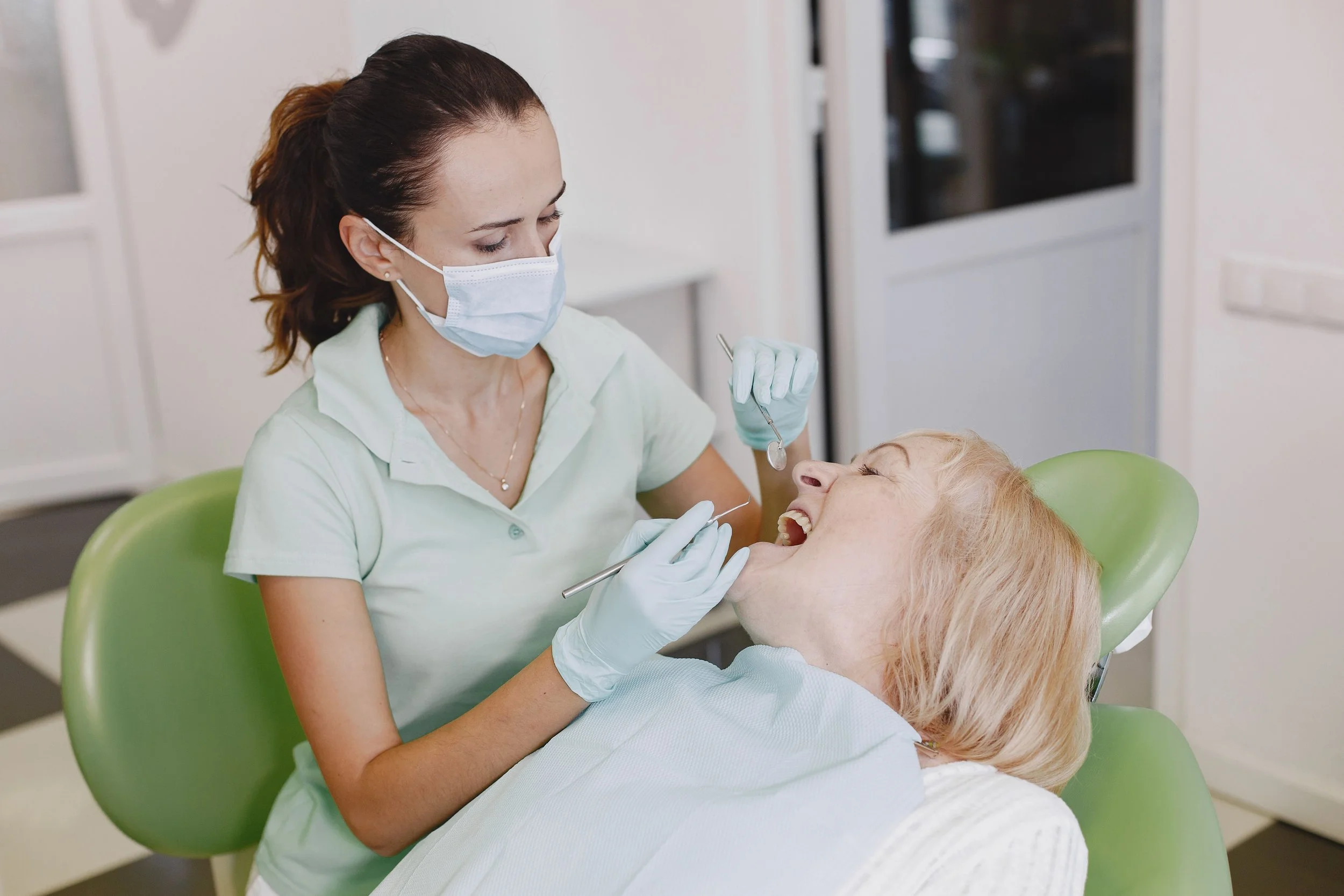
Getting older brings changes throughout the body, and your mouth is no exception. Teeth can become more vulnerable to wear and decay, gums may recede, and medications or health conditions can affect saliva production. But tooth loss is not an inevitable part of aging. With appropriate preventive care, many people can keep their natural teeth healthy throughout their lives.
Understanding what changes with age—and which changes deserve attention—can help you protect your smile for years to come.
Your Teeth May Become More Vulnerable to Decay
Teeth are remarkably durable, but decades of chewing, exposure to acidic foods and drinks, dental restorations, and everyday wear can gradually take their toll.
One particular concern as we age is root decay. Gum recession can expose portions of the tooth root that were previously protected below the gumline. Unlike the crown of a tooth, which is covered by hard enamel, the root surface is more susceptible to decay.
Older adults consequently have an increased risk of root cavities, especially when gum recession occurs alongside dry mouth. The American Dental Association notes that root caries become increasingly common among older adults.
Existing fillings, crowns, and other dental work also need to be monitored over time. Restorations can remain functional for many years, but the tooth around them can still develop new decay or structural problems.
Gum Recession Becomes More Common
You may notice that your teeth appear slightly longer as you get older. Often, the teeth themselves have not changed length—the gums have receded and exposed more of the tooth.
Gum recession can make teeth more sensitive to hot, cold, or sweet foods and can expose root surfaces to decay. Recession may result from several factors, including periodontal disease, aggressive brushing, accumulated wear, and individual anatomy.
Receding gums should not simply be dismissed as a normal consequence of getting older. A dentist can determine why recession is occurring and whether treatment or changes in your home-care routine are appropriate.
The Risk of Gum Disease Increases
Age itself does not automatically cause periodontal disease. However, gum disease becomes more common with increasing age because its risk factors and effects can accumulate over many years.
Periodontal disease begins when bacterial plaque collects around the teeth and gums. If plaque is not adequately removed, it can harden into tartar and contribute to inflammation of the tissues supporting the teeth. In more advanced cases, periodontal disease can damage the bone surrounding the teeth and eventually cause teeth to loosen.
Warning signs can include:
Red, swollen, or tender gums
Bleeding while brushing or flossing
Receding gums
Persistent bad breath
Changes in the way your teeth fit together
Loose or shifting teeth
Because gum disease can sometimes progress with relatively few noticeable symptoms, regular dental examinations become particularly important as you age.
Dry Mouth Can Have a Major Impact
One of the most important oral-health issues among older adults is dry mouth, or xerostomia.
Dry mouth is common with age, but it is important to make a distinction: dry mouth itself is not considered a normal consequence of aging. It is frequently associated with medications and certain medical conditions. Many medications—including some used for blood pressure, depression, anxiety, and other chronic conditions—can reduce saliva production.
Saliva plays an important protective role. It helps wash food particles away, neutralize acids, control microorganisms, and supply minerals that help protect teeth. When saliva production decreases, the risk of cavities and oral infections can increase.
If your mouth frequently feels dry, tell both your dentist and physician. Depending on the cause, management may include changes to medications under medical supervision, increased hydration, saliva-stimulating products, or other preventive measures.
Teeth May Become More Sensitive
Tooth sensitivity can also increase with age. Gum recession can expose the root surfaces of teeth, while years of brushing, grinding, acidic foods, or normal use may contribute to wear.
Sensitivity to cold drinks or certain foods does not necessarily mean that something serious is wrong, but new or persistent sensitivity should be evaluated. Cavities, cracked teeth, worn fillings, and gum problems can produce similar symptoms.
Rather than simply avoiding the foods that trigger discomfort, it is better to determine the underlying cause.
Dental Care May Need to Change as You Age
The basic principles of oral hygiene remain the same at every age, but your preventive strategy may need to become more individualized over time.
For most adults, good daily care includes:
Brushing twice a day with fluoride toothpaste
Cleaning between the teeth regularly with floss, interdental brushes, or another method recommended by your dentist
Limiting frequent exposure to sugary foods and drinks
Avoiding tobacco
Attending regular dental examinations and professional cleanings
The National Institute of Dental and Craniofacial Research specifically recommends twice-daily brushing with fluoride toothpaste, regular interdental cleaning, and routine professional dental care to help protect the teeth and gums.
For patients at greater risk of cavities—particularly those with exposed roots or dry mouth—a dentist may recommend additional fluoride treatment or other preventive measures.
Pay Attention to Changes in Your Mouth
Some oral changes develop gradually enough that they can be easy to overlook. Contact your dentist if you notice persistent bleeding gums, unexplained sensitivity, loose teeth, persistent dry mouth, changes in your bite, sores that do not heal, or new discomfort when chewing.
Regular examinations allow your dentist to identify subtle changes before they become more complicated problems.
Healthy Teeth Can Last a Lifetime
Aging changes the conditions in which your teeth and gums have to function, but it does not mean that dental problems are unavoidable.
Preventive care becomes increasingly valuable as the years pass. Identifying gum recession, controlling periodontal disease, managing dry mouth, monitoring older dental restorations, and treating decay early can all help preserve your natural teeth.
If you have noticed changes in your teeth or gums—or simply want to make sure your oral-care routine is keeping pace with your needs—schedule an appointment with Dr. Birnbaum. A comprehensive dental evaluation can help identify potential concerns and develop a preventive approach designed to keep your smile healthy as you age.
Contact Dr. Birnbaum today at (617) 965-1400 or book your appointment for your professional dental checkup or cleaning today.