
How Digital X-Rays Improve Patient Safety
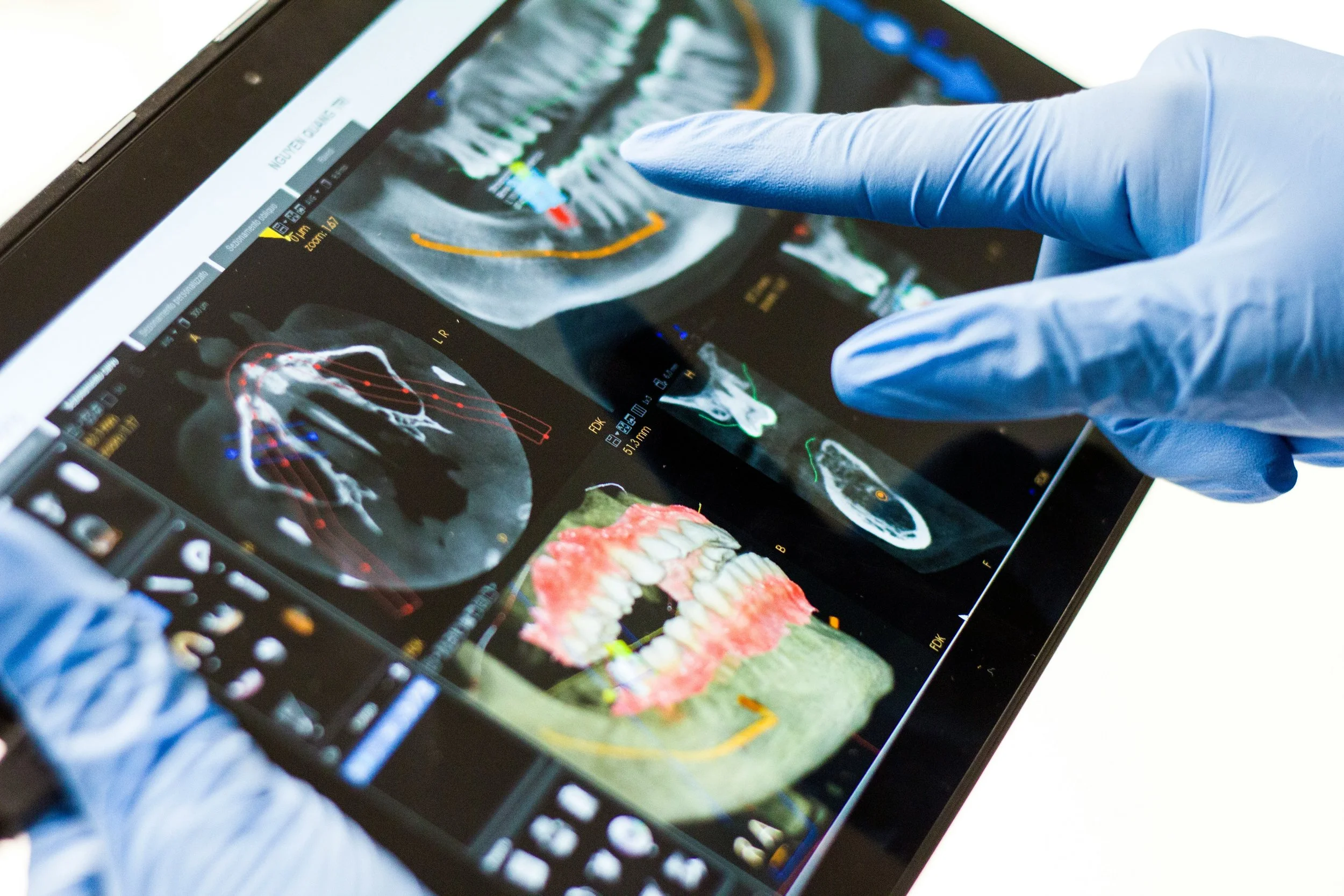
Dental X-rays are an important part of preventive dentistry. They allow dentists to detect problems that may not be visible during a routine examination, including cavities between teeth, infections, and bone loss. However, some patients have concerns about radiation exposure and whether dental X-rays are safe.
Fortunately, advances in dental technology have made X-ray imaging safer and more efficient than ever. Digital X-rays provide detailed images while significantly reducing radiation exposure compared to traditional film-based systems.
Lower Radiation Exposure
One of the most important advantages of digital X-rays is their ability to produce high-quality images using less radiation.
Traditional dental X-rays rely on photographic film to capture images. Digital X-rays, on the other hand, use electronic sensors that are more sensitive to radiation. This allows dentists to obtain the diagnostic information they need with a lower radiation dose.
Although conventional dental X-rays already involve relatively low levels of radiation, digital technology can reduce exposure even further. The amount of reduction depends on the equipment and imaging techniques used.
This is particularly beneficial for patients who require periodic dental imaging to monitor their oral health.
Earlier Detection of Dental Problems
Patient safety involves more than minimizing radiation exposure. It also means identifying dental problems before they become serious.
Digital X-rays help dentists examine areas of the mouth that cannot be adequately assessed through a visual examination alone. These images can reveal:
Cavities developing between teeth
Infections around tooth roots
Bone loss associated with periodontal disease
Impacted teeth and abnormalities in tooth positioning
Problems beneath existing fillings or restorations
Identifying these conditions early can help patients avoid more extensive dental procedures and prevent complications that could threaten their oral health.
Clearer Images for More Accurate Diagnoses
Digital X-ray images appear on a computer screen, where dentists can enlarge them and adjust brightness or contrast to examine specific areas more closely.
These features make it easier to evaluate dental structures and investigate potential problems without relying exclusively on the original image size.
Digital images can also be stored electronically and compared with previous X-rays. This allows dentists to monitor changes in a patient's teeth and supporting bone structures over time.
When used appropriately, these capabilities support accurate diagnoses and more informed treatment decisions.
Faster and More Comfortable Appointments
Unlike traditional film X-rays, which require chemical processing, digital images are available almost immediately.
This eliminates the need to wait for film development and allows dentists to review the results during the same appointment.
Patients can also see their images on a computer screen, making it easier to understand any dental concerns and discuss recommended treatments.
Digital imaging therefore contributes to a more efficient, convenient, and informative dental experience.
Avoiding Unnecessary X-Rays
Even with reduced radiation exposure, dental X-rays should only be taken when clinically necessary.
The American Dental Association recommends that dentists consider each patient's dental history, symptoms, age, and risk factors before determining whether new X-rays are needed.
For example, a patient with healthy teeth and a low risk of tooth decay may not require imaging as frequently as someone with recurring cavities or advanced periodontal disease.
Digital records also make it easier to retrieve and share previous images, potentially reducing the need to repeat examinations.
The goal is to obtain the information necessary for effective dental care while keeping radiation exposure as low as reasonably achievable.
Are Digital Dental X-Rays Safe for Children?
Digital X-rays can also be used safely in children when there is a clear clinical need.
Because children's teeth and jaws are still developing, dental imaging can provide valuable information about tooth eruption, cavities, and other developmental concerns.
However, children are more sensitive to radiation than adults, making appropriate imaging techniques and careful selection of examinations especially important.
Dentists should determine whether X-rays are necessary based on each child's individual oral health needs rather than following an automatic schedule.
Your Safety Is Our Priority
Patient safety and preventive care are at the core of Dr. Birnbaum’s practice. He uses digital X-ray technology to obtain detailed images, identify potential dental problems, and develop personalized treatment plans while minimizing unnecessary radiation exposure.
Whether you are visiting for a routine dental examination or have concerns about your oral health, Dr. Birnbaum is committed to providing attentive, high-quality care using the latest dental technology.
Contact Dr. Birnbaum today at (617) 965-1400 or book your appointment for your professional dental checkup or cleaning today.