
What Causes Receding Gums?
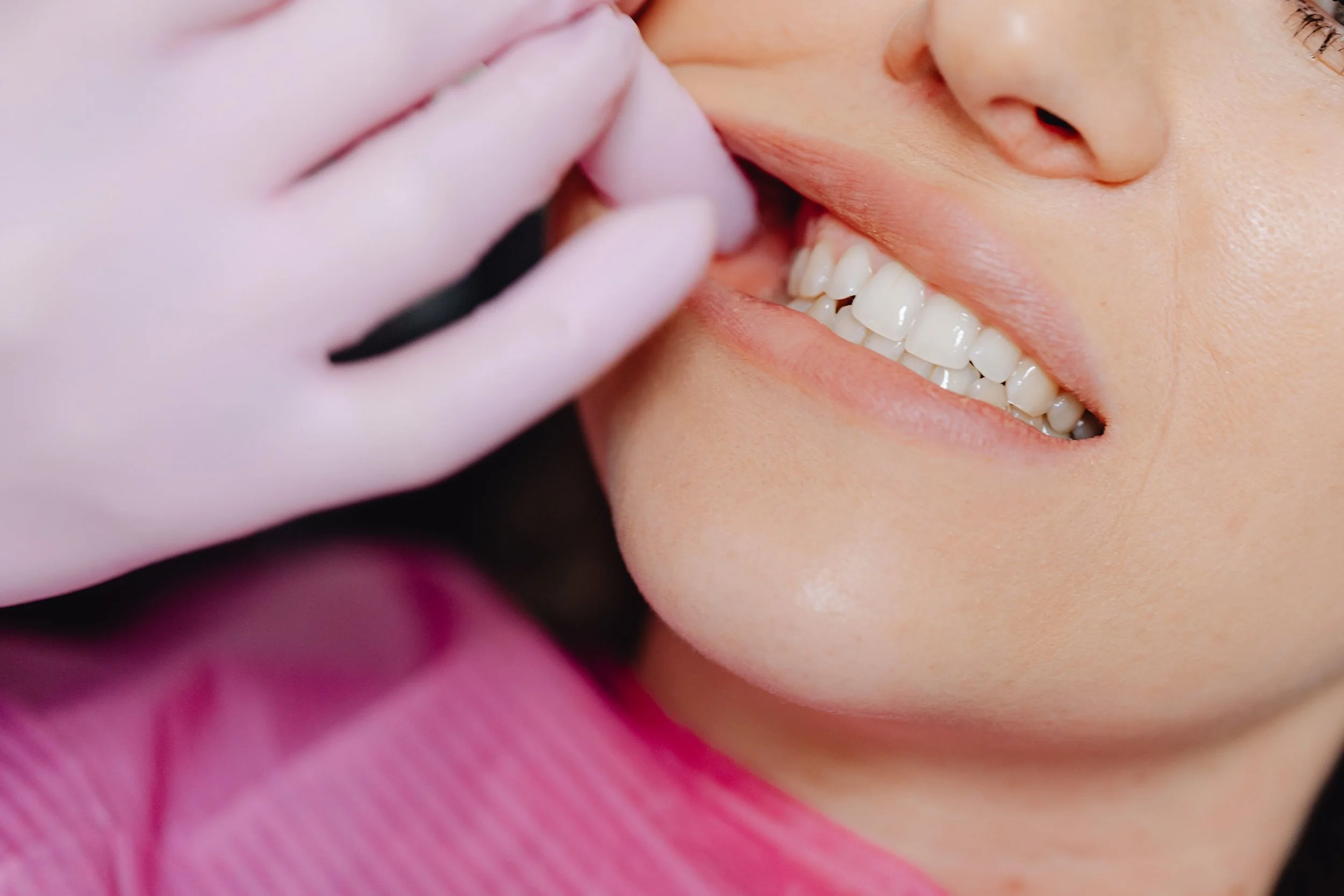
Are your teeth beginning to look longer? Learn what causes receding gums, how gum recession is treated, and when to visit Dr. Birnbaum.
Have you noticed that one or more of your teeth look longer than they used to? Are you experiencing sensitivity near the gumline when you eat or drink something hot, cold, or sweet?
These may be signs of gum recession, a condition in which the gum tissue surrounding a tooth gradually pulls back or wears away. As the gumline recedes, part of the tooth’s root may become exposed.
Receding gums are common, but they should not be ignored. Exposed tooth roots can become sensitive and more vulnerable to decay. Gum recession may also be a warning sign of periodontal disease or another condition affecting the tissues that support your teeth.
What Are Receding Gums?
Healthy gum tissue fits closely around the teeth and helps protect their roots. Gum recession occurs when the edge of the gum moves away from its normal position, exposing more of the tooth.
Recession may affect one tooth, several teeth, or much of the mouth. Because it usually develops gradually, many patients do not notice it immediately.
One of the earliest signs is often a tooth that appears longer. You may also notice a small notch near the gumline or experience increased sensitivity when the exposed root comes into contact with cold air, drinks, or food.
What Causes Gum Recession?
There is no single cause of receding gums. In many cases, several factors are involved.
Periodontal Disease
Periodontal disease, commonly called gum disease, is one of the most significant causes of gum recession.
Plaque is a sticky film of bacteria that continually forms on the teeth. If plaque is not removed through brushing, flossing, and professional dental care, it can harden into calculus, or tartar.
The bacteria in plaque and tartar irritate the gums and cause inflammation. As periodontal disease progresses, the gums may begin to separate from the teeth, creating deeper spaces called periodontal pockets. The gum tissue and bone supporting the teeth can eventually be damaged.
Signs of periodontal disease may include:
Red, swollen, or tender gums
Bleeding while brushing or flossing
Persistent bad breath
Receding gums
New spaces between the teeth
Pus around the gums
Loose or shifting teeth
Gum disease is often painless during its early stages. Regular periodontal examinations are therefore important, even when your gums do not hurt.
Brushing Too Hard
Good brushing is essential, but more pressure does not necessarily mean a better cleaning.
Brushing aggressively, using a hard-bristled toothbrush, or repeatedly scrubbing back and forth along the gumline can injure delicate gum tissue. Over time, this may contribute to localized gum recession and wear near the roots of the teeth.
Use a soft-bristled toothbrush and gentle pressure. Small, controlled movements are generally more effective and less damaging than vigorous scrubbing.
If the bristles on your toothbrush quickly become flattened or spread apart, you may be brushing harder than necessary.
Inadequate Brushing and Flossing
Although brushing too aggressively can harm the gums, failing to clean the teeth thoroughly can also lead to recession.
Plaque that remains along and beneath the gumline can cause gingivitis, the earliest stage of gum disease. Without treatment, gingivitis may progress to periodontitis, which can destroy the gum and bone supporting the teeth.
The goal is to remove plaque consistently without traumatizing the gums. Brush twice a day and clean between the teeth daily using floss, interdental brushes, a water flosser, or another device recommended by your dental team.
Naturally Thin Gum Tissue
Some patients naturally have thinner gum tissue than others. Thin gums may be more susceptible to recession from brushing pressure, inflammation, orthodontic movement, or the position of a tooth.
Genetics can influence the thickness and shape of the gums as well as a person’s susceptibility to periodontal disease. A family history of gum disease or significant gum recession may indicate that closer monitoring is appropriate.
Having thin gums does not mean recession is inevitable. However, careful home care and regular dental examinations become especially important.
Tooth Position and Crowding
The position of a tooth can affect the thickness of the gum and bone surrounding it.
A tooth that sits too far toward the lip or cheek may have only a thin layer of bone and gum tissue covering its root. Rotated or crowded teeth can also be more difficult to clean, increasing the likelihood of plaque accumulation and inflammation.
In these situations, recession may develop around one particular tooth rather than throughout the mouth.
Smoking and Tobacco Use
Smoking and other forms of tobacco use increase the risk of periodontal disease and can interfere with normal tissue healing.
Tobacco use may also make gum disease harder to recognize. Smokers sometimes have less visible gum bleeding even when periodontal damage is occurring beneath the gumline.
Patients who use tobacco should receive regular gum evaluations and professional cleanings.
Oral Piercings and Repeated Trauma
Lip and tongue jewelry may repeatedly rub against the same area of gum tissue. Over time, this friction can damage the gums and cause localized recession.
Other sources of repeated irritation, such as an improperly fitting dental appliance or restoration, may also affect the gumline. Any appliance, crown, filling, or piece of jewelry that continually irritates the gums should be evaluated.
Orthodontic Tooth Movement
Orthodontic treatment does not automatically cause gum recession. However, moving a tooth toward or beyond the edge of the supporting bone may increase the risk when the gum tissue is already thin.
Careful planning and periodontal evaluation can help reduce this risk. Patients who already have gum recession or thin gum tissue may benefit from additional monitoring before, during, and after orthodontic treatment.
Age and Cumulative Wear
Gum recession becomes more common with age, partly because the gums have been exposed to decades of brushing, plaque, inflammation, dental treatment, tooth movement, and other stresses.
However, recession should not simply be dismissed as a normal or unavoidable consequence of aging. Identifying and addressing the underlying cause can help protect the teeth from further damage.
What Are the Signs of Receding Gums?
Common signs include:
Teeth that appear longer
Visible yellow or darker areas near the gumline
A notch or groove where the tooth meets the gum
Sensitivity to hot, cold, sweet, or acidic foods
Tenderness while brushing
Bleeding or swollen gums
Spaces developing between the teeth
Food becoming trapped near the gumline
Loose teeth in advanced cases
Recession affecting one tooth may be related to brushing technique, tooth position, or localized trauma. Recession affecting many teeth may suggest periodontal disease or a broader pattern of tissue loss.
A dental examination is needed to determine the cause accurately.
Can Receding Gums Grow Back?
Gum tissue that has been lost generally does not grow back on its own. However, treatment can often prevent or slow further recession, protect exposed roots, reduce sensitivity, and improve the health of the gums.
Treatment depends on the cause and severity of the recession.
Possible recommendations may include:
Improving brushing and flossing technique
Using a softer toothbrush
Professional dental cleaning
Scaling and root planing for periodontal disease
Desensitizing or fluoride treatments
Treating decay on an exposed root
Adjusting an irritating restoration or appliance
Orthodontic evaluation when tooth position is involved
Referral to a periodontist when surgical treatment may be appropriate
In selected cases, gum-graft or root-coverage procedures can add tissue to an area where the gums are thin or the roots have become exposed.
How Dr. Birnbaum Can Help
During a gum evaluation, Dr. Birnbaum can examine the gumline, measure the spaces around the teeth, check for bleeding and inflammation, and look for signs of bone loss, tooth-position problems, or brushing-related damage.
If periodontal disease is present, treatment may include a professional cleaning or scaling and root planing. More advanced cases may require ongoing periodontal maintenance or referral to a periodontist.
The goal is not simply to cover an exposed root. It is to determine why the recession occurred and help prevent it from becoming worse.
How Can You Prevent Further Gum Recession?
You can help protect your gums by following a few basic habits:
Brush twice daily with a soft-bristled toothbrush.
Use gentle pressure instead of scrubbing.
Clean between your teeth every day.
Attend regular dental examinations and cleanings.
Avoid smoking and other tobacco products.
Have crowded or poorly positioned teeth evaluated.
Seek care for bleeding, swelling, sensitivity, or changes in the gumline.
Do not stop cleaning an area simply because it is sensitive. Avoiding the area may allow more plaque to accumulate. Instead, ask Dr. Birnbaum to demonstrate a comfortable and effective cleaning technique.
The Bottom Line
Receding gums may be caused by periodontal disease, aggressive brushing, inadequate plaque removal, thin gum tissue, tooth position, tobacco use, repeated trauma, or a combination of these factors. Because lost gum tissue does not usually return on its own, treating the cause earlier can help prevent additional recession and protect the exposed tooth roots.
If your teeth appear longer, you have developed sensitivity near the gumline, or your gums bleed when you brush or floss, contact Dr. Birnbaum’s office today to schedule an evaluation.
Contact Dr. Birnbaum today at (617) 965-1400 or book your appointment for your professional dental checkup or cleaning today.