
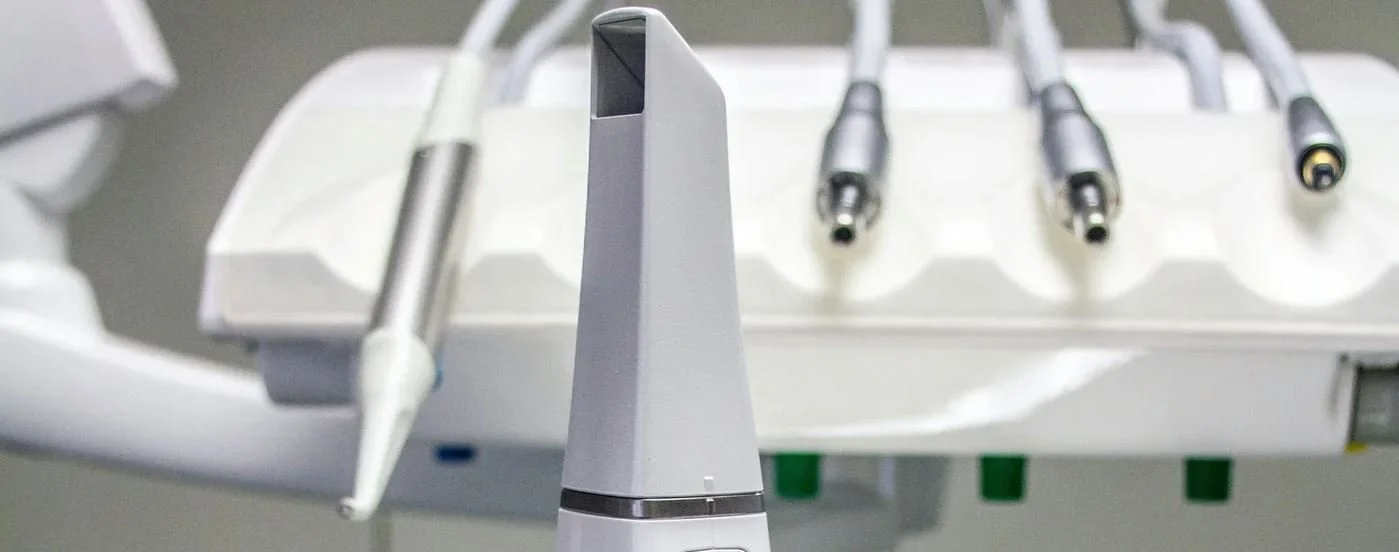
Modern dental technology has made it easier than ever before for dentists to examine teeth and gums, identify potential problems, and explain treatment recommendations to patients. One tool that supports these improvements is the intraoral camera.
Unlike traditional dental mirrors, an intraoral camera provides detailed, magnified images of the inside of your mouth. This allows dentists to examine hard-to-see areas while giving patients a clearer understanding of their oral health.
But how exactly does an intraoral camera work, and why do dentists use it?
What Is an Intraoral Camera?
An intraoral camera is a small, handheld digital camera designed to capture high-resolution images of your teeth, gums, and other structures inside your mouth.
The device typically resembles a pen or small wand, with a miniature camera and built-in lighting at its tip. As the dentist moves the camera around your mouth, it captures detailed images that can be displayed on a computer screen.
These images can be enlarged to help dentists examine areas that might be difficult to see with the naked eye or a traditional dental mirror.
Intraoral cameras also allow patients to see what their dentist sees, making dental examinations more informative and helping them better understand their treatment options.
Why Do Dentists Use Intraoral Cameras?
Intraoral cameras offer several advantages for dental examinations, preventive care, and patient communication.
1. Identifying Dental Problems More Clearly
Some dental concerns can be difficult to identify during a routine visual examination, particularly when they affect the back teeth or other hard-to-reach areas.
By providing enlarged, well-lit images, intraoral cameras can help Dr. Birnbaum examine visible signs of:
Tooth decay and cavities
Cracked, chipped, or worn teeth
Plaque and tartar buildup
Gum inflammation and recession
Damaged fillings, crowns, or other restorations
Changes in oral soft tissues
These images support a more detailed examination and may help Dr. Birnbaum identify concerns that require further evaluation.
2. Helping Patients Understand Their Oral Health
One of the most valuable benefits of an intraoral camera is improved communication between dentists and patients.
Without a visual reference, it can be difficult to understand why a dentist recommends a particular treatment. For example, a small crack in a back tooth or a deteriorating filling may not cause noticeable symptoms.
An intraoral camera allows Dr. Birnbaum to show patients a close-up image of the affected area and explain what is happening.
When patients can see the condition of their teeth and gums, they are better equipped to ask questions, understand their options, and make informed decisions about their dental care.
3. Supporting Preventive Dental Care
Preventive dentistry focuses on identifying and addressing oral health concerns before they develop into more serious problems.
Intraoral cameras can help Dr. Birnbaum document visible changes in tooth surfaces, gums, and existing dental restorations. For example, images of a worn filling or an area of gum recession can provide a useful reference during future examinations.
Monitoring these changes over time allows Dr. Birnbaum to determine whether a condition remains stable or requires additional attention.
Early evaluation may also make it possible to address certain dental problems with more conservative treatment.
4. Improving Dental Records and Treatment Planning
Detailed photographic records are valuable when planning and monitoring dental treatment.
Intraoral cameras allow Dr. Birnbaum to capture images of specific teeth or areas of concern and store them as part of a patient's dental records.
These images can help document the condition of existing restorations, monitor changes between appointments, and illustrate treatment results.
They may also support communication with dental specialists when additional evaluation or treatment is needed.
Is an Intraoral Camera Safe and Comfortable?
Yes. Intraoral cameras are generally safe, noninvasive, and comfortable for patients.
The procedure does not involve injections, drilling, or anesthesia. The dentist simply positions the small camera inside the mouth to capture images of the teeth and surrounding tissues.
Most examinations take only a few minutes, and the camera does not need to press firmly against the teeth or gums.
Importantly, conventional intraoral cameras use visible light rather than X-ray radiation to capture images. This makes them a useful tool for photographing and monitoring visible oral structures without exposing patients to radiation.
Can an Intraoral Camera Replace Dental X-Rays?
Although intraoral cameras provide detailed images, they cannot replace dental X-rays.
An intraoral camera captures photographs of visible tooth surfaces and oral tissues. Dental X-rays, on the other hand, allow dentists to examine structures that cannot be seen directly, including tooth roots, surrounding bone, and certain areas of decay between teeth.
Both technologies provide valuable information, but they serve different purposes.
Modern dental practices may also use specialized diagnostic tools to investigate potential cavities. At Dr. Birnbaum, for example, digital X-rays and the DEXIS CariVu cavity detection device are part of the practice's approach to examining and monitoring oral health.
CariVu uses transillumination technology to help reveal areas of tooth decay and is different from a conventional intraoral camera.
Together, the appropriate clinical examinations and imaging technologies help Dr. Birnbaum provide personalized treatment plans based on each patient's needs.
Are Intraoral Cameras Used During Every Dental Visit?
Not necessarily. Whether an intraoral camera is used depends on the patient's needs, the equipment available at the dental office, and the dentist's clinical judgment.
Dr. Birnbaum may use one during a routine examination, when evaluating a particular tooth, or when explaining a recommended procedure.
For patients, the main advantage is the opportunity to better understand their dental health through clear visual information.
Advanced Dental Care for a Healthier Smile
Taking care of your smile starts with understanding your oral health and receiving the right care for your individual needs. Modern dental technology helps make examinations more thorough, supports early detection of dental concerns, and allows patients to better understand their treatment options.
At Herbert S. Birnbaum, DMD, we combine years of experience with advanced diagnostic technology to provide personalized, high-quality dental care. From preventive checkups to restorative treatments, Dr. Birnbaum and his team are dedicated to helping patients maintain healthy, confident smiles.
Contact Dr. Birnbaum today at (617) 965-1400 or book your appointment for your professional dental checkup or cleaning today.