
The Cost of Skipping Your Cleaning: A Look at Long-Term Expenses
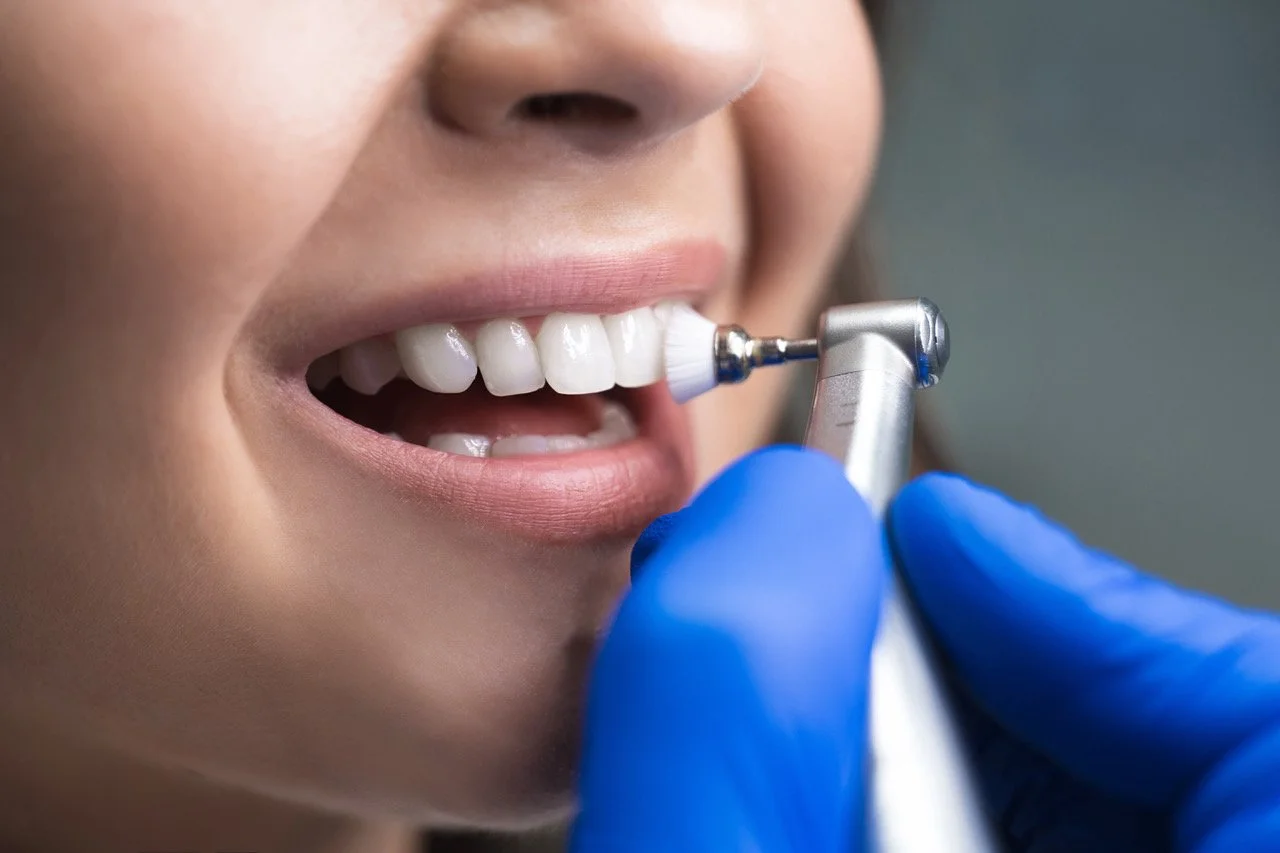
Most people know they should visit the dentist every six months– but with busy schedules, rising costs, and the thought of sitting in the dental chair, cleanings are often the first appointment to get pushed aside. While missing a visit might not seem like a big deal in the moment, skipping routine cleanings can lead to serious long-term dental problems– and much higher costs.
Let’s take a closer look at what really happens when you put off your cleaning, and why those twice-a-year appointments are one of the smartest investments you can make in your oral and overall health.
1. Plaque Buildup Turns Into Tartar
Plaque is sticky, bacteria-filled film that naturally forms on your teeth. Daily brushing and flossing help remove it, but some plaque always remains—especially in hard-to-reach areas.
If plaque isn’t removed by a professional every six months, it hardens into tartar, which you can’t remove at home. Tartar creates a rough surface that allows even more bacteria to accumulate, setting the stage for decay and gum infection.
Short-term cost: A simple cleaning
Long-term cost: Scaling and root planing, crowns, or fillings
2. Cavities Begin Silently
Cavities often develop without pain, so most patients don’t know they have one until it’s progressed.
Skipping cleanings means cavities go undetected and untreated. What starts as a small, inexpensive filling can grow into:
A root canal
A dental crown
Or, in the worst-case scenario, an extraction and implant
The difference in cost between a filling and a root canal with a crown can be thousands of dollars.
Preventive visit cost: Low
Delaying treatment cost: High—often 10–20× more
3. Gum Disease Progresses—and Gets Costly
Gum disease is one of the biggest long-term risks of skipping cleanings. It begins as gingivitis, which is reversible. But when left untreated, it progresses to periodontitis, a chronic condition that destroys gum tissue and bone.
Treatments can include:
Deep cleanings
Local antibiotics
Gum surgery
Bone grafting
Tooth replacement
Beyond the mouth, gum disease is linked to increased risks of diabetes complications, heart disease, and stroke.
A skipped cleaning can eventually mean thousands in periodontal therapy and restorative work.
4. Tooth Loss Becomes a Real Possibility
When gum disease or decay reaches advanced stages, teeth can loosen or become too damaged to save.
Replacing missing teeth is extremely costly:
Dental implant: Often the best option, but the most expensive
Bridge: More affordable, but still a major investment
Partial denture: A budget-friendly solution, but requires ongoing maintenance
While these treatments restore function and appearance, none are as cost-effective as keeping your natural teeth healthy.
5. Preventive Care Saves You—Every Time
Skipping a cleaning may feel like saving money, but the reality is the opposite.
Routine dental visits help you:
Catch problems early
Remove plaque and tartar
Prevent large, painful dental issues
Protect your smile long-term
Avoid expensive treatments
Think of your dental cleaning like an oil change for your smile: inexpensive, essential, and dramatically cheaper than the repairs that follow neglect.
The Bottom Line
The true cost of skipping your cleaning isn’t the saved appointment fee—it’s the price of the dental decay, gum disease, and restorative work that becomes necessary later. By investing in preventive care every six months, you protect both your oral health and your wallet.
If it’s been a while since your last cleaning, Dr. Birnbaum is here to help you get back on track—gently, comfortably, and without judgment.
Contact Dr. Birnbaum today at (617) 965-1400 or book your appointment for your professional dental checkup or cleaning today.