
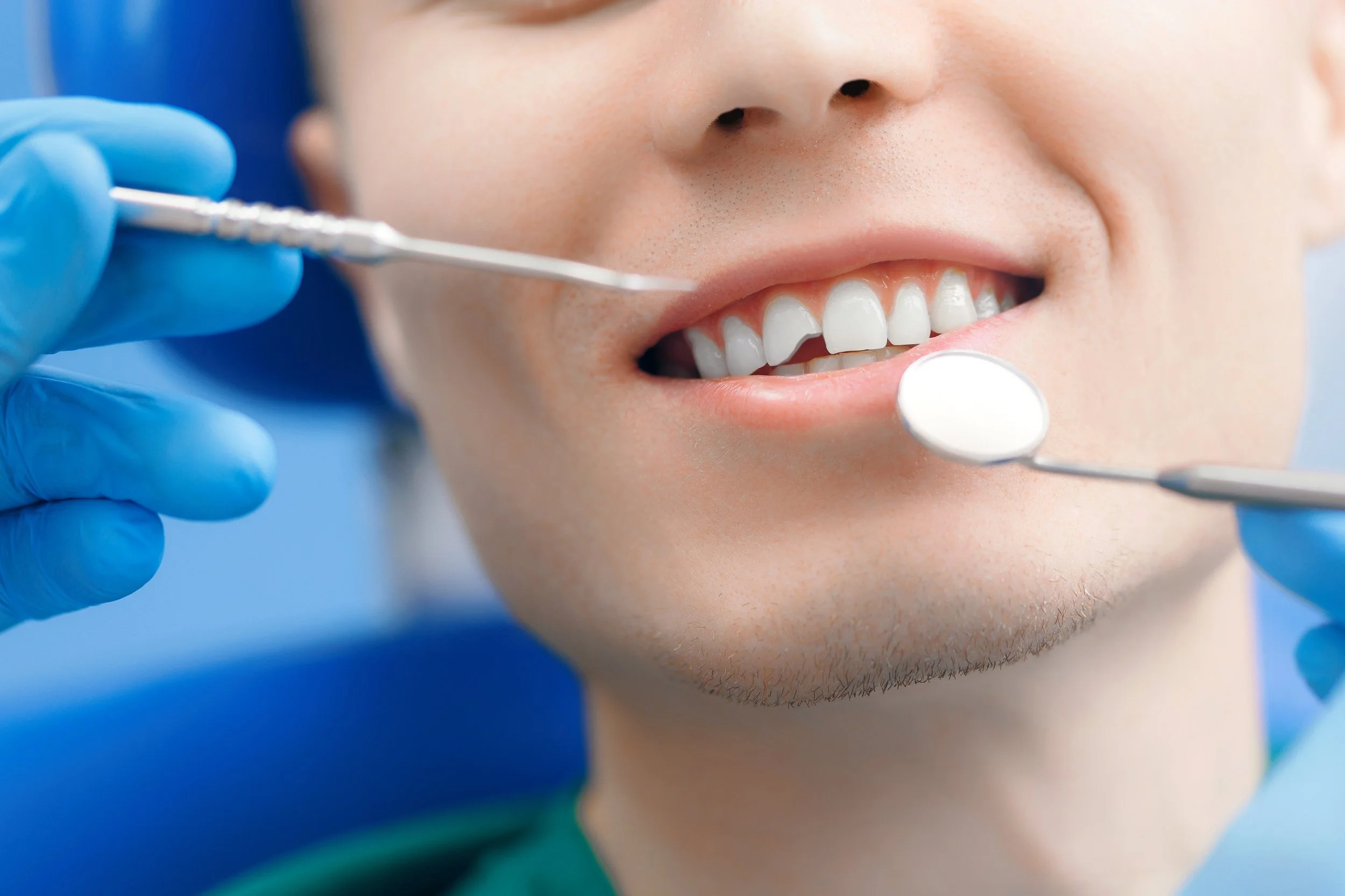
Dental emergencies are stressful, painful, and often happen when you least expect them—during a meal, a sports activity, or even a simple fall. Acting quickly and correctly can make the difference between saving and losing a tooth, preventing infection, or avoiding long-term complications.
This guide will help you know exactly what to do in the first minutes after a dental injury—before you reach out to Dr. Birnbaum’s office—and when a situation requires a visit to the emergency room.
Stay Calm and Act Fast
Time is critical in dental trauma. Teeth, nerves, and surrounding tissues are extremely sensitive to dehydration, contamination, and swelling. The faster you respond, the better the outcome.
Do not wait to “see if it gets better.” Call Dr. Birnbaum immediately after performing the first-aid steps below.
1. Broken or Chipped Tooth
What to Do Immediately
Rinse your mouth gently with warm water to clean the area.
Save any tooth fragments if you can find them. Place them in:
Milk (preferred), or
Saline solution, or
A clean container with saliva.
Apply gauze if there is bleeding and hold gentle pressure for 10 minutes.
Use a cold compress on the outside of the cheek to reduce swelling.
Take over-the-counter pain relief (avoid placing aspirin directly on gums—it can burn tissue).
Why This Matters
Even small fractures can expose the inner tooth (the pulp), leading to infection or nerve damage if not treated quickly.
2. Avulsed (Completely Knocked-Out) Tooth — A True Dental Emergency
This is one of the rare medical situations where quick action on your part can make the difference in saving the tooth.
What to Do Immediately
Pick up the tooth by the crown (the white part)
Do NOT touch the root. This preserves vital cells needed for reattachment.
If dirty, rinse gently for 5 seconds
Use milk or saline if available.
If neither is available, briefly rinse with water.
Do NOT scrub, dry, or wrap the tooth.
Try to place the tooth back in the socket
Hold it in place by gently biting on gauze or a clean cloth.
This is the best possible outcome.
If reinsertion isn’t possible, store the tooth properly
Place it in:Cold milk (ideal)
Saline solution
Inside the cheek (for adults only, if conscious)
Never store a tooth in water.
Get to the dentist immediately — within 30 minutes if possible.
Why This Matters
The cells on the root begin to die quickly when dry. After about 60 minutes, saving the tooth becomes far less likely.
3. Tooth Pushed Out of Position (Luxated Tooth)
If the tooth is still in the mouth but loose or displaced:
What to Do
Apply gentle pressure to reposition it (only if it moves easily).
Bite down softly on gauze to stabilize it.
Use a cold compress to reduce swelling.
Seek dental care immediately.
Do not force the tooth back if there is resistance.
4. Severe Toothache with Swelling
Pain accompanied by swelling may indicate infection or an abscess.
What to Do
Rinse with warm salt water to reduce bacteria.
Use a cold compress externally.
Take pain relief as directed.
Do NOT apply heat—this can spread infection.
When to Go Straight to the Emergency Room
While dentists manage most dental trauma, some situations require hospital-level care first:
Go to the ER Immediately If You Have:
Uncontrolled bleeding that lasts more than 15 minutes
Facial trauma affecting breathing, vision, or jaw movement
Suspected jaw fracture
Deep cuts requiring stitches
Loss of consciousness or head injury
Significant facial swelling spreading toward the eye or neck
Fever with dental infection (possible systemic infection)
These are medical emergencies, not just dental ones.
How to Be Prepared Before an Emergency Happens
Consider keeping a small dental emergency kit with:
Sterile gauze
Saline solution
A container with a lid
Pain reliever
Contact number of Dr. Birnbaum
Athletes should also wear custom mouthguards, which dramatically reduce trauma risk.
Final Thoughts
Dental emergencies are frightening, but quick action can save teeth, reduce pain, and prevent long-term damage. Knowing what to do in those first critical minutes empowers you to protect your oral health until professional care is available.
If you or a loved one experiences a dental injury, don’t hesitate—seek care immediately. Prompt treatment is the key to preserving your smile.
Contact Dr. Birnbaum today at (617) 965-1400 or book your appointment for your professional dental checkup or cleaning today.