
Foods and Drinks That Harm Your Teeth (and What to Choose Instead)
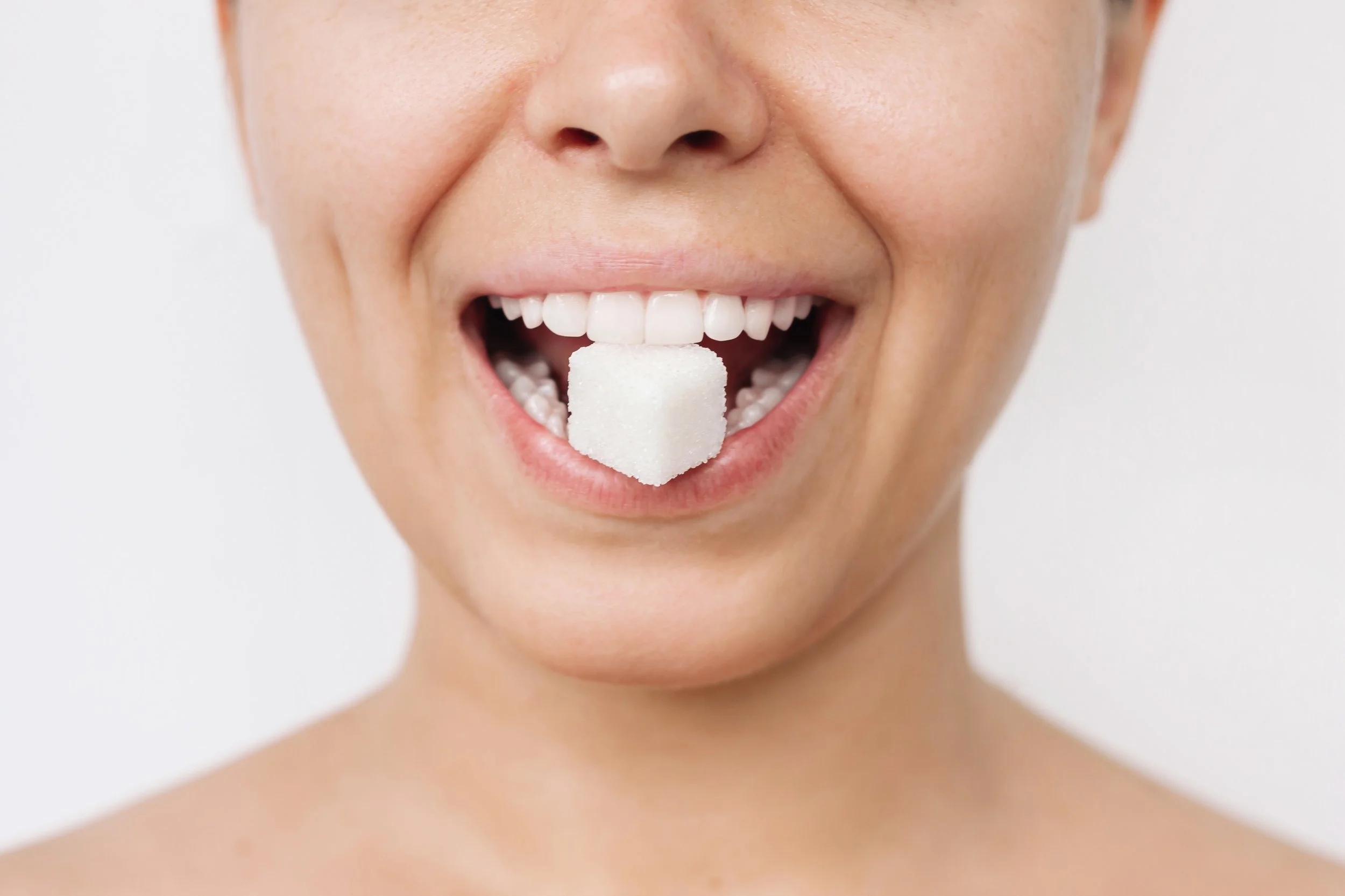
When patients ask us how to prevent cavities and tooth wear, they often expect a complicated answer. The truth is much simpler—and more actionable: what you eat and drink every day plays a major role in your dental health.
Some of the most common items in modern diets quietly accelerate tooth decay (cavities) and dental erosion (loss of enamel from acid). The good news? With a few smart swaps, you can protect your teeth without giving up everything you enjoy.
Let’s break it down.
The Science (Made Simple)
Your mouth is home to bacteria that feed on sugars and produce acid. This acid lowers your mouth’s pH and demineralizes enamel, making teeth more vulnerable to cavities.
At the same time, acidic foods and drinks can directly erode enamel—even without bacteria involved.
Key factors that increase damage:
Frequency of exposure (sipping all day is worse than drinking once)
Sugar content (feeds harmful bacteria)
Acidity (low pH weakens enamel)
Sticky texture (clings to teeth longer)
Everyday Foods & Drinks That Harm Your Teeth
1. Sugary Soft Drinks (Soda)
High sugar + high acidity = double damage
Even “diet” sodas are acidic and can erode enamel
Better choices:
Water (still or sparkling, unsweetened)
Infused water with cucumber or mint
2. Citrus Fruits & Juices
Oranges, lemons, and grapefruits are healthy—but acidic
Frequent exposure can soften enamel over time
Better choices:
Whole fruits (less concentrated acid than juice)
Pair citrus with meals instead of snacking continuously
3. Sports & Energy Drinks
Marketed as healthy, but often highly acidic and sugary
Can be as damaging or even worse than soda
Better choices:
Water for most workouts
Electrolyte tablets without sugar or acid (when needed)
4. Candy (Especially Sticky or Sour)
Sticky candies cling to teeth
Sour candies are extremely acidic
Better choices:
Dark chocolate (less sticky, lower sugar exposure)
Sugar-free gum (stimulates saliva, helps neutralize acid)
5. Dried Fruits
Raisins, dates, and apricots are sticky and sugar-dense
Often marketed as healthy—but tough on teeth
Better choices:
Fresh fruit
Nuts or cheese for snacks
6. Refined Carbohydrates
White bread, crackers, chips break down into sugars
Can stick between teeth and fuel bacteria
Better choices:
Whole grains
Pair carbs with protein (e.g., cheese, yogurt)
7. Coffee & Tea (with Sugar)
On their own, they’re not the main issue
Added sugar—and frequent sipping—create risk
Better choices:
Drink without sugar
Limit sipping time (finish within a sitting)
8. Alcohol
Dries out the mouth (less protective saliva)
Many drinks also contain sugar and acid
Better choices:
Water between drinks
Lower-sugar options
Smart Habits That Make a Big Difference
Even more important than eliminating foods is how you consume them:
Avoid sipping all day– give your mouth time to recover
Rinse with water after acidic foods/drinks
Wait 30 minutes before brushing after acids (to protect softened enamel)
Use a straw for acidic drinks to reduce contact with teeth
Chew sugar-free gum to boost saliva
Tooth-Friendly Foods to Add More Of
These actively help protect your teeth:
Dairy (cheese, yogurt, milk)-- rich in calcium and phosphate
Leafy greens– mineral-rich
Crunchy vegetables (carrots, celery)-- stimulate saliva
Nuts– low sugar, good for enamel support
The Bottom Line
You don’t need a perfect diet to have healthy teeth—small, consistent choices make the biggest difference over time. By limiting sugary and acidic foods and drinks, avoiding constant snacking and sipping, and choosing more tooth-friendly alternatives when you can, you give your enamel the support it needs to stay strong. Preventive dentistry starts at home, and if you have questions about your diet, sensitivity, or cavity risk, Dr. Birnbaum is here to help you create a plan that fits your lifestyle—not the other way around. Your smile is worth protecting.
Contact Dr. Birnbaum today at (617) 965-1400 or book your appointment for your professional dental checkup or cleaning today.